
Narelle shares this recipe, inspired by her grandmother Kath
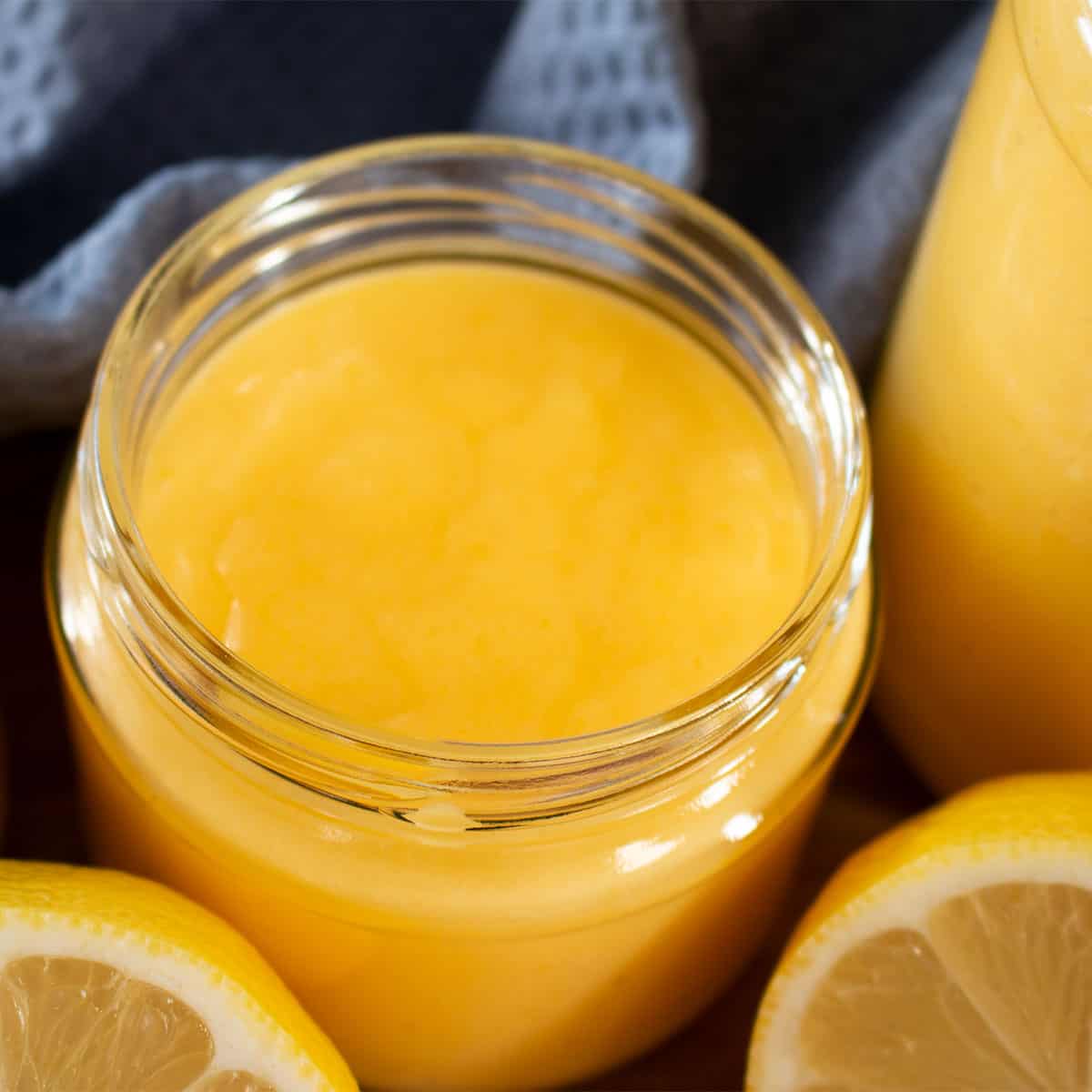
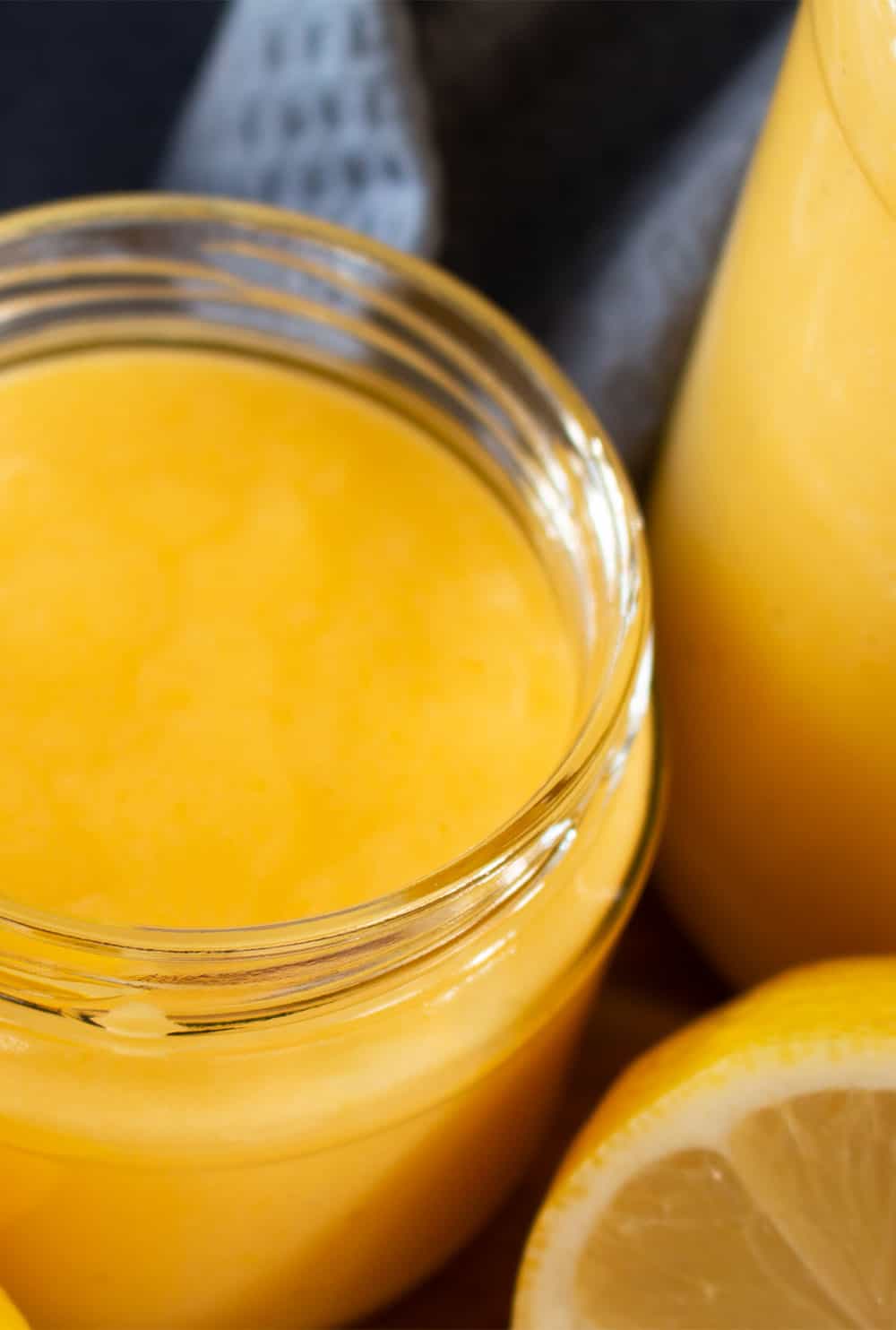
Lemon Curd is a smooth, velvety spread made from fresh lemon juice, sugar, eggs, and butter, with a bright citrus flavour. It’s perfectly balanced between sweet and tangy, with a rich, creamy texture that melts in your mouth. The sharp citrus tang from the lemons wakes up your taste buds and makes everything feel fresh and vibrant. The sour lemon taste is immediately balanced by sugar which turns it in to something addictive rather than harsh. Next comes the texture, lemon curd is made with eggs and butter which give it that silky almost custard like consistency. It is smooth thick and luscious and the butter adds a subtle richness that rounds everything out.
My Inspiration

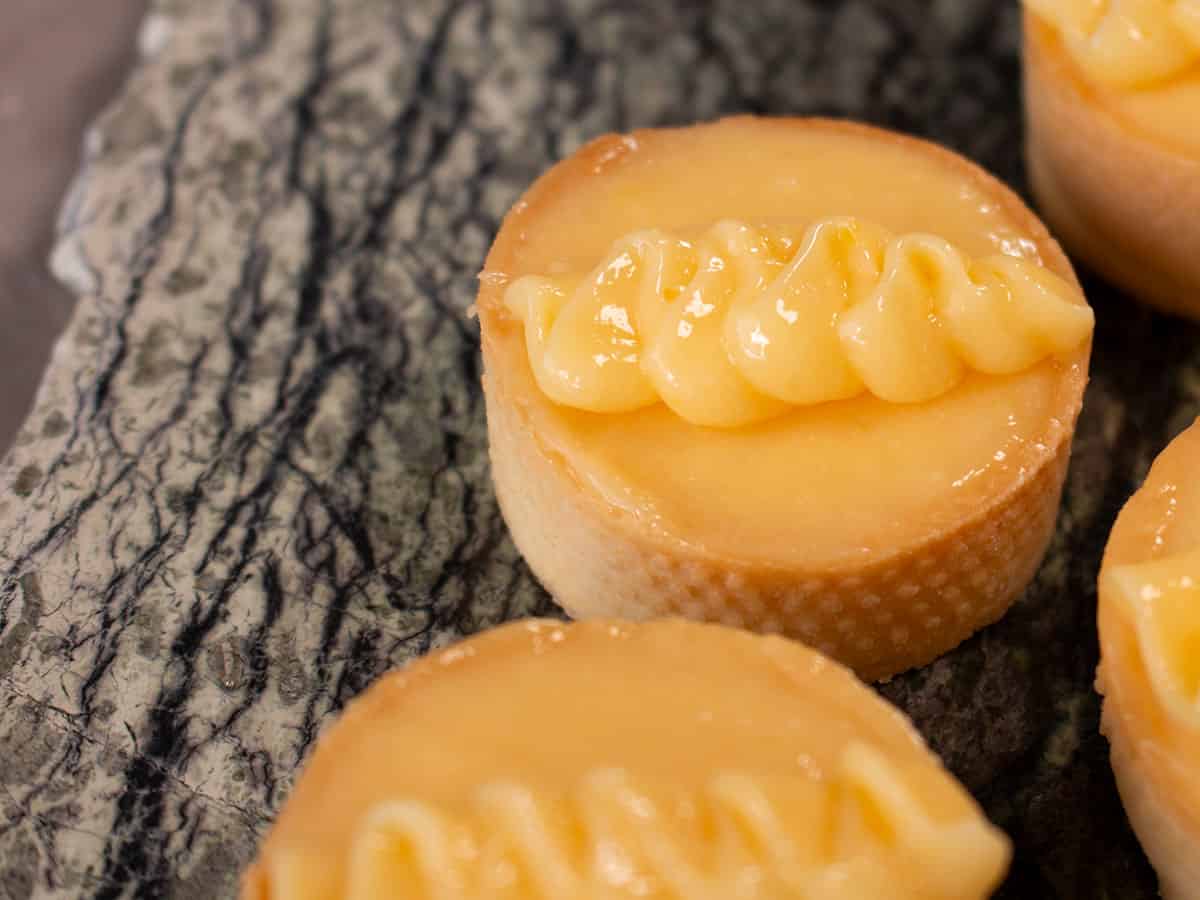
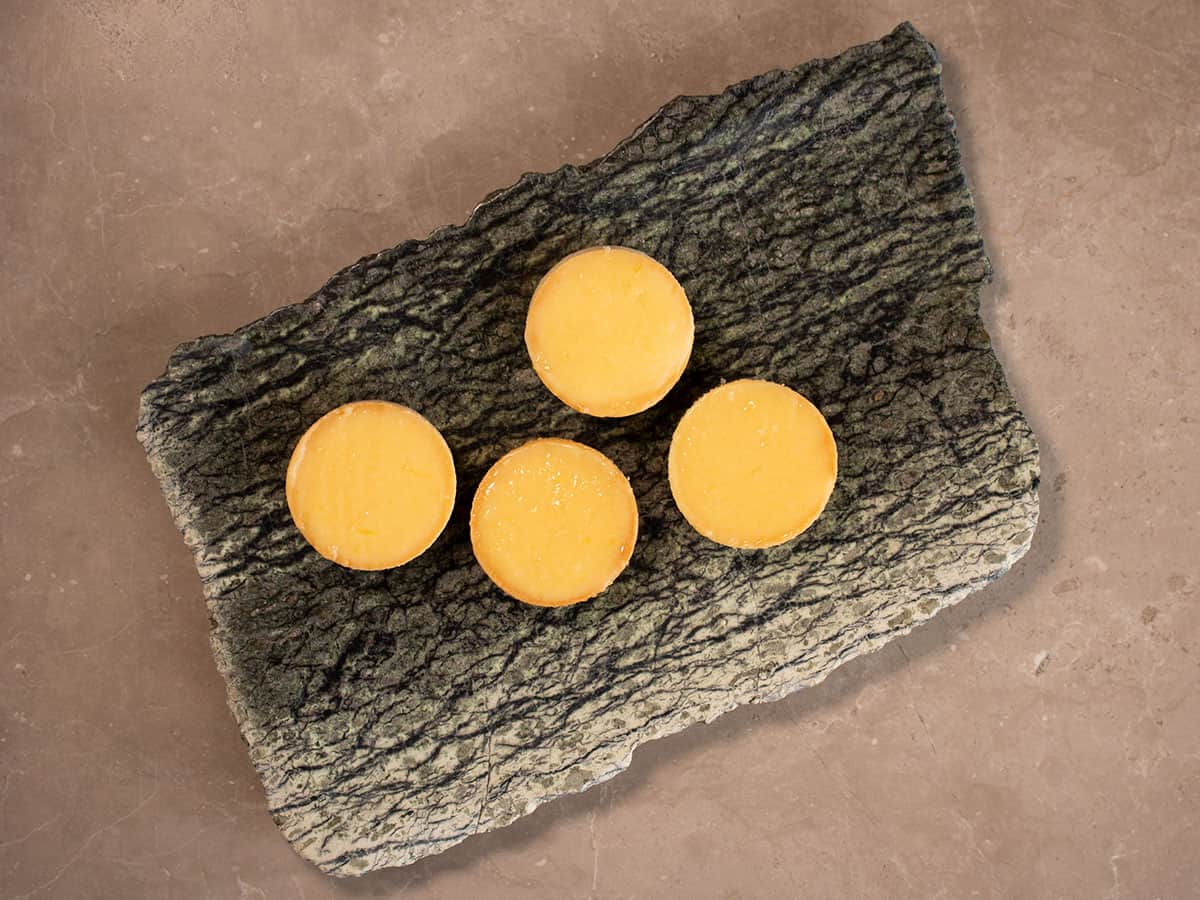
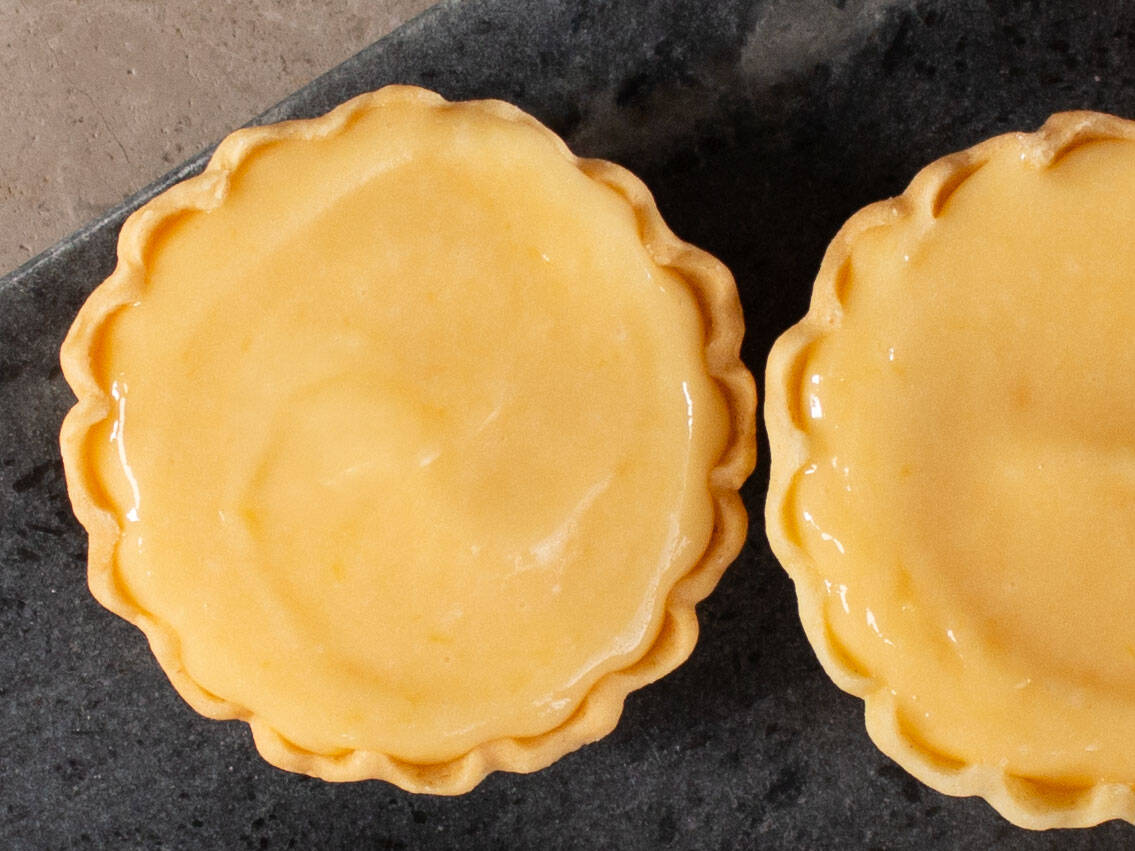
This is Kath, my grandmother, I still vividly remember the first time I tasted her lemon curd, it was unlike anything I’d ever experienced. The bright, tangy sweetness was so intense and vibrant, it felt like a true explosion of flavour in my mouth. She always had a jar of lemon curd in her fridge, along with a container of delicate pastry cases. The pastry shells were crisp and buttery, and when topped with a spoonful of her silky, sweet-tart curd, they were simply irresistible. She would only ever fill them just before serving, making sure the pastry stayed perfectly crisp. I must confess, I don’t always have both lemon curd and tart cases on hand as my grandmother did but they do make occasional appearances in my kitchen throughout the year. When they do, I savour them just as she intended, crisp, buttery pastry topped with silky, sweet curd, a little reminder of her and that unforgettable first taste of lemon curd.
My grandmother always called lemon curd 'lemon cheese', and to this day, my family still fondly refers to her tarts as lemon cheese tarts.
What makes it so special
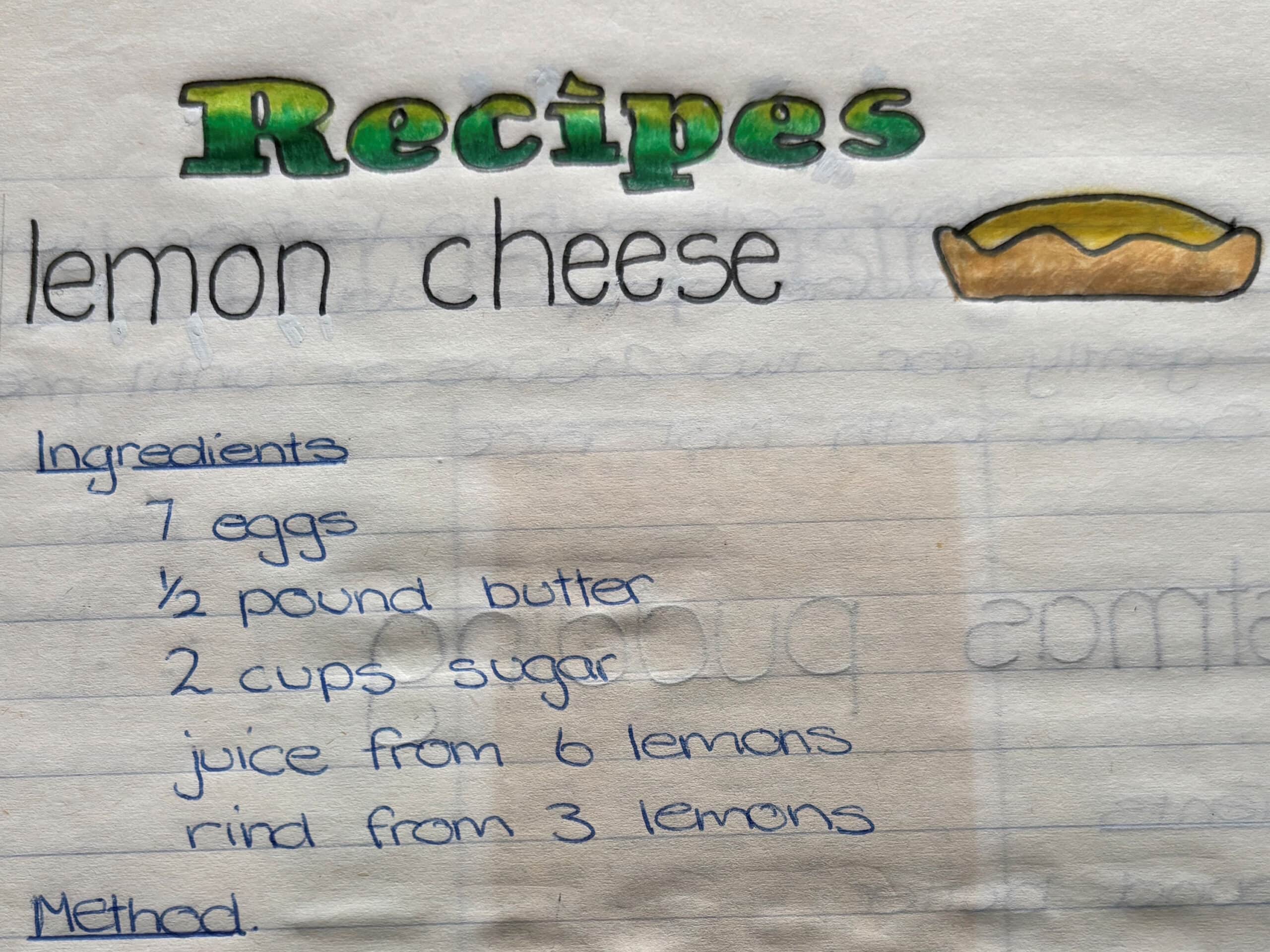
- At 12 years old I decided my Grandmother's drawer of scraps of paper and hand written recipes needed to be organised and preserved in to a proper cook book. I would sit beside her as she cooked, carefully writing down the recipes that had, until then, lived only in her memory. Her lemon curd recipe is one of those I managed to capture. It exists here because my 12-year-old self was determined (and maybe a little bossy) enough to make sure it wouldn’t be forgotten.
- I haven't met a curd I didn't like and this one is definitely the OG of curds. Simple, tangy, and ridiculously smooth.
- Silky, zesty, and utterly irresistible, this lemon curd is a timeless kitchen hero.
Ingredients
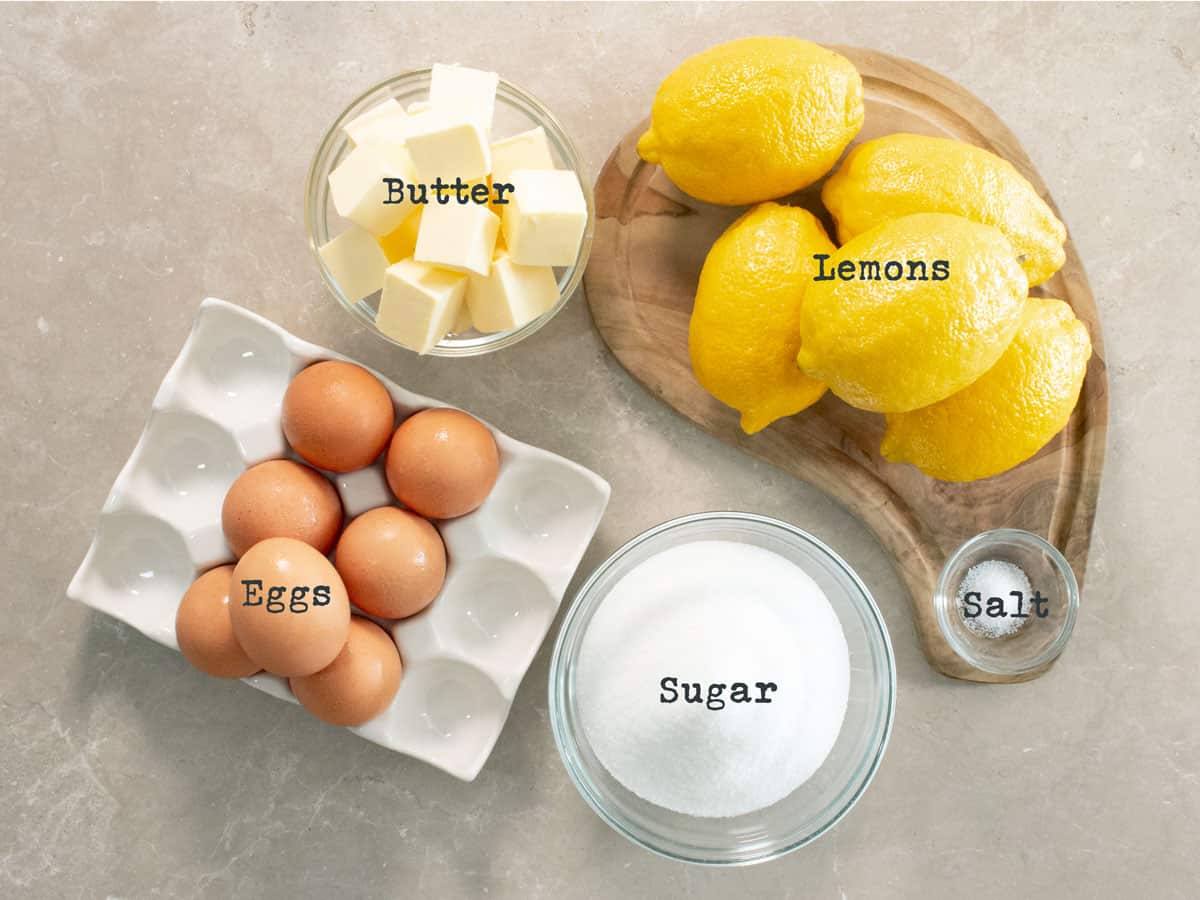
- Lemons: Choose organic ones because you'll be using the zest and juice, organic lemons are free from wax and pesticides. If not give them a good wash before using.
- Eggs: I recommend using fresh, large free-range eggs (approx 60gm / 2oz). My grandmother's recipe was for 7 large eggs but I have changed this to 5 whole eggs and 2 egg yolks. this gives a richer, smoother texture and a deeper yellow colour
- Caster sugar: Caster sugar because it dissolves more easily than granulated sugar, resulting in a smoother texture.
- Unsalted butter: I recommend unsalted butter to control the salt level and add a creamy, velvety finish to the curd.
- Salt: Table salt is finely ground so dissolves almost instantly. Salt in tiny amounts makes every bite taste sweeter and more flavourful
Instructions
There are several ways to make lemon curd, each producing a slightly different texture and finish. I have used four methods over the years, each outlined below. In every case, you gently cook the eggs to thicken the mixture. Aim for a temperature of 70–75 °C (158–167 °F), warm enough to thicken the curd smoothly without scrambling the eggs. The curd will continue to thicken as it cools.
Method 1 - Double Boiler
My grandmother prepared her lemon curd using a double boiler, a method I followed for many years. In a heatproof bowl, whisk together the eggs, egg yolks, sugar, salt, lemon juice, and zest until well combined. Bring a saucepan of 3–4 cm of water to a gentle simmer, then set the bowl over the pan, ensuring the base does not touch the water. Stir the mixture continuously for several minutes to warm it gently, then add the chopped, room-temperature butter. Continue stirring until the butter has melted and the curd thickens to a smooth, velvety consistency. This method yields an exceptionally silky lemon curd, though it requires a little more time than other alternatives.
Method 2 - Microwave
The advantage of this method is its speed but you need to take care not to overcook the curd. In a heatproof bowl, whisk together the eggs, egg yolks, sugar, salt, lemon juice, and zest until well combined. Microwave for 40 seconds, then stir in the chopped, room-temperature butter. Continue microwaving in 40-second intervals, stirring between each round. As the butter melts and the eggs cook, the mixture will gradually transform into a smooth, glossy, and thick curd.
Method 3 - Double Boiler & Blender
This method starts the same as above, In a heatproof bowl whisk the eggs and egg yolks, sugar, salt, lemon juice and rind until combined. Fill a saucepan with 3-4cm water and bring to a simmer. Place the heatproof bowl on top of a saucepan ensuring the water does not touch the base of the bowl. Stir the lemon mixture until it thickens. Take the bowl off the heat and continue to stir as the bowl will still be hot. Wait for a few minutes before adding the thickened lemon mixture to a blender. With the motor on low add the butter a couple of cubes at a time until the mixture is emulsified.
Method 4 - Saucepan & Blender
This is my method of choice at the moment. Add the eggs, egg yolks, sugar, salt and lemon juice to a large saucepan. Whisk together and place over a low heat stirring constantly until the mixture thickens. You cannot leave this alone as it can easily overcook and will thicken up quite quickly. Once thickened take the saucepan off the heat and continue to stir as the saucepan will still be quite hot. Wait for a few minutes before adding the thickened lemon mixture to a blender. With the motor on low add the butter a couple of cubes at a time until the mixture is emulsified. I like this method as it is much quicker than the double boiler methods but you definitely cannot leave this alone or you may end up with scrambled, overcooked eggs.
Step by step instructions
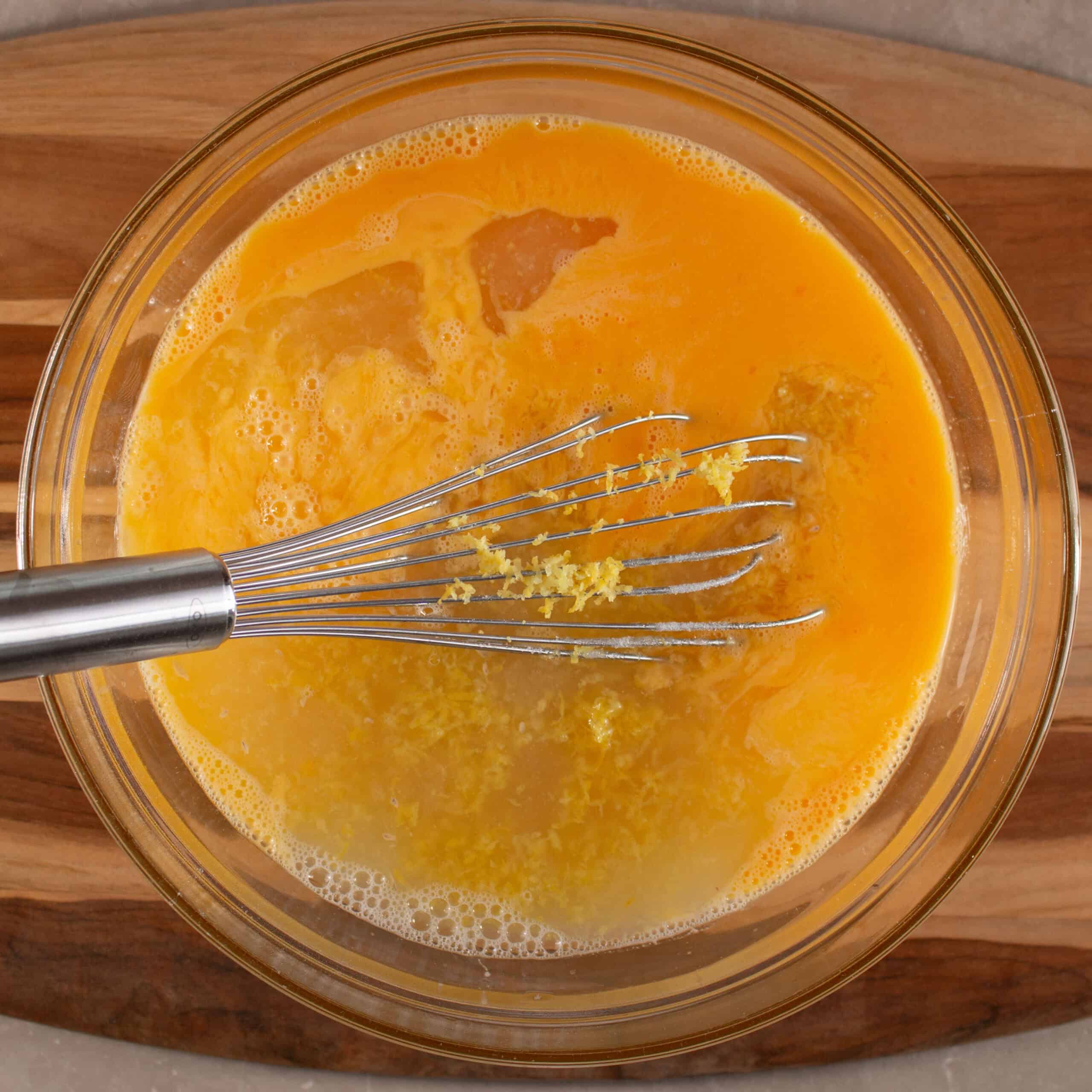
Step 1: in a heatproof bowl, beat the egg, sugar, salt, lemon rind and lemon juice together
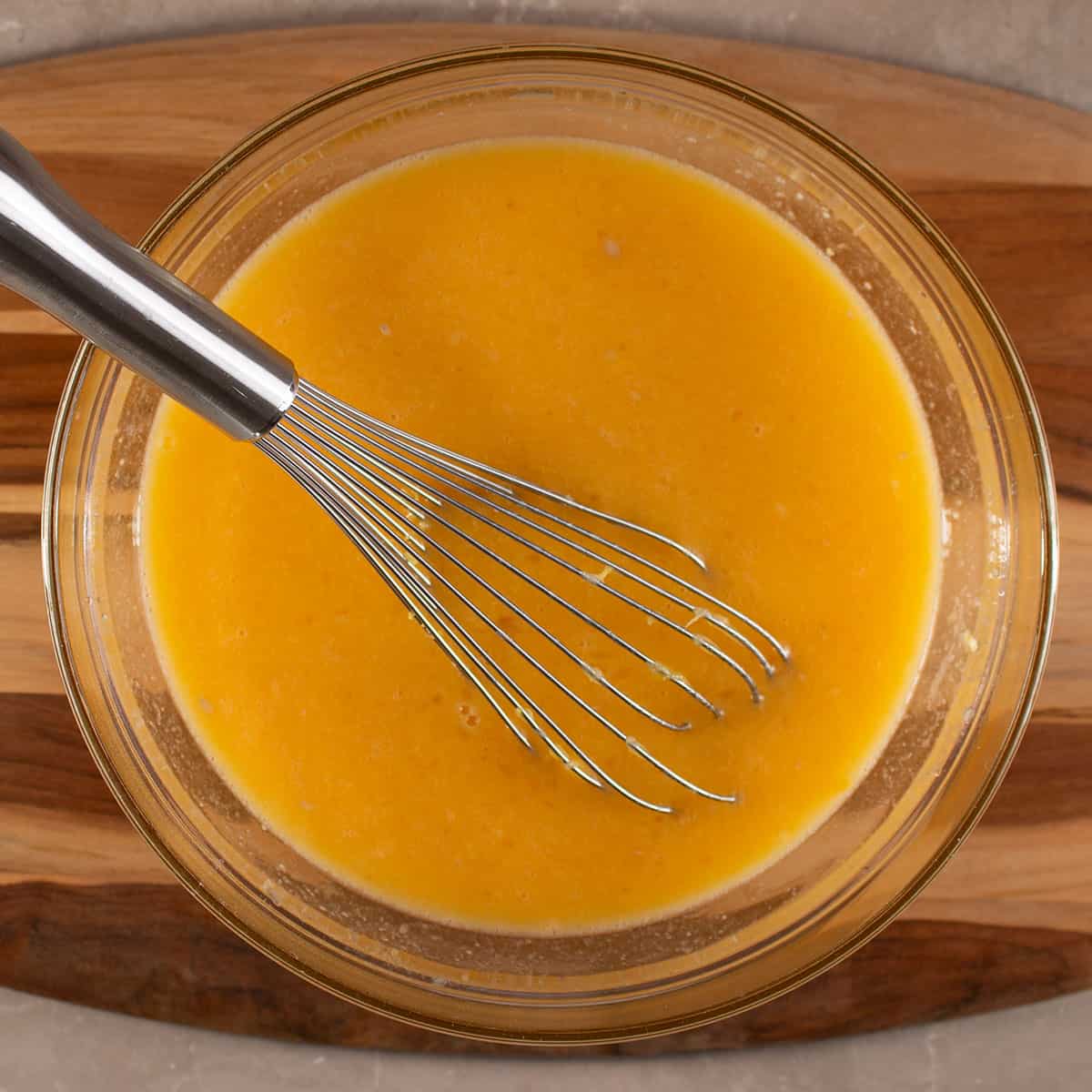
Step 2: Once combined place the heatproof bowl on top of a saucepan filled with 3-4cm of water and bring the water to a simmer. Ensure the water does not touch the base of the heatproof bowl.
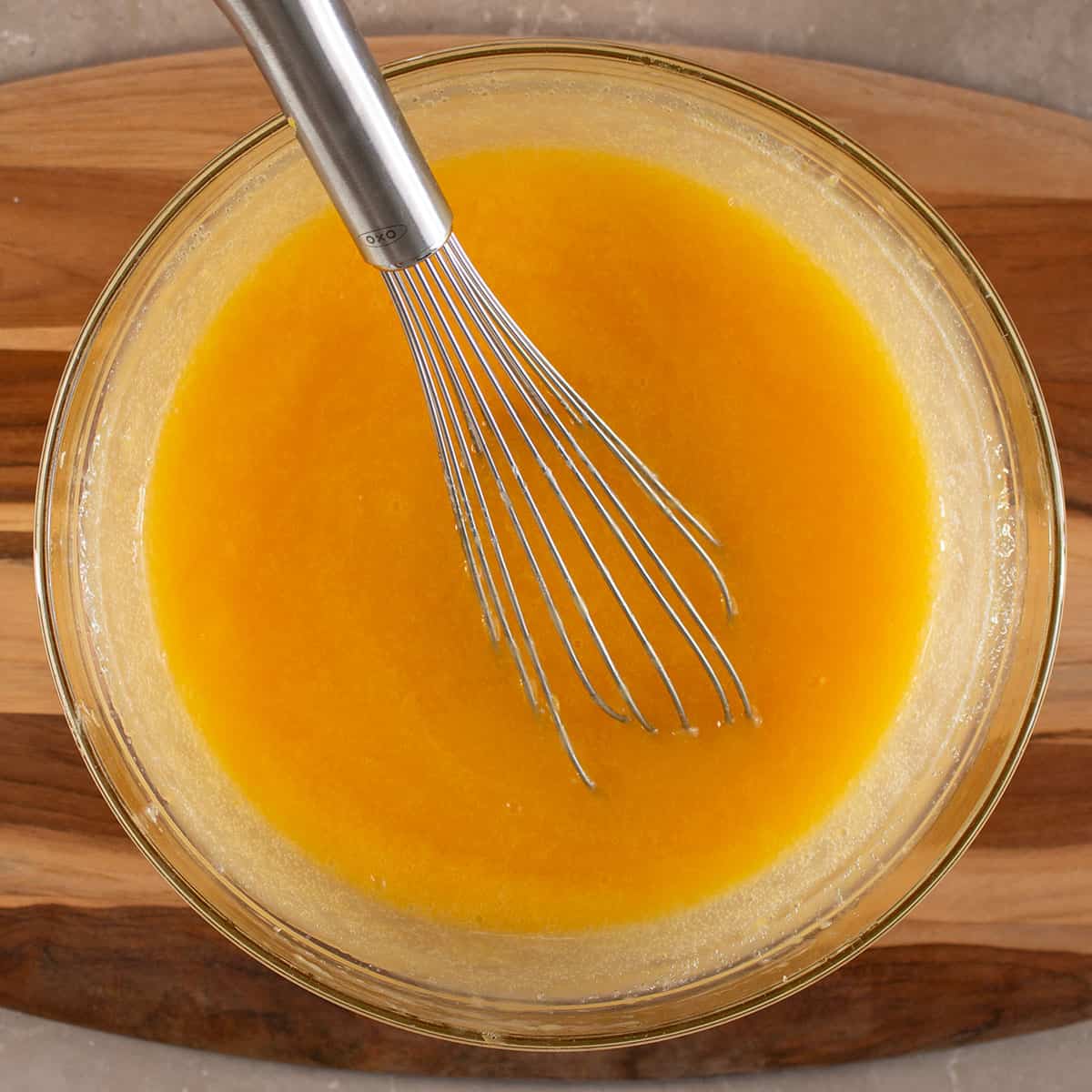
Step 3: Alternatively you can place the lemon mixture directly into a saucepan making sure to continually stir the mixture as it heats.
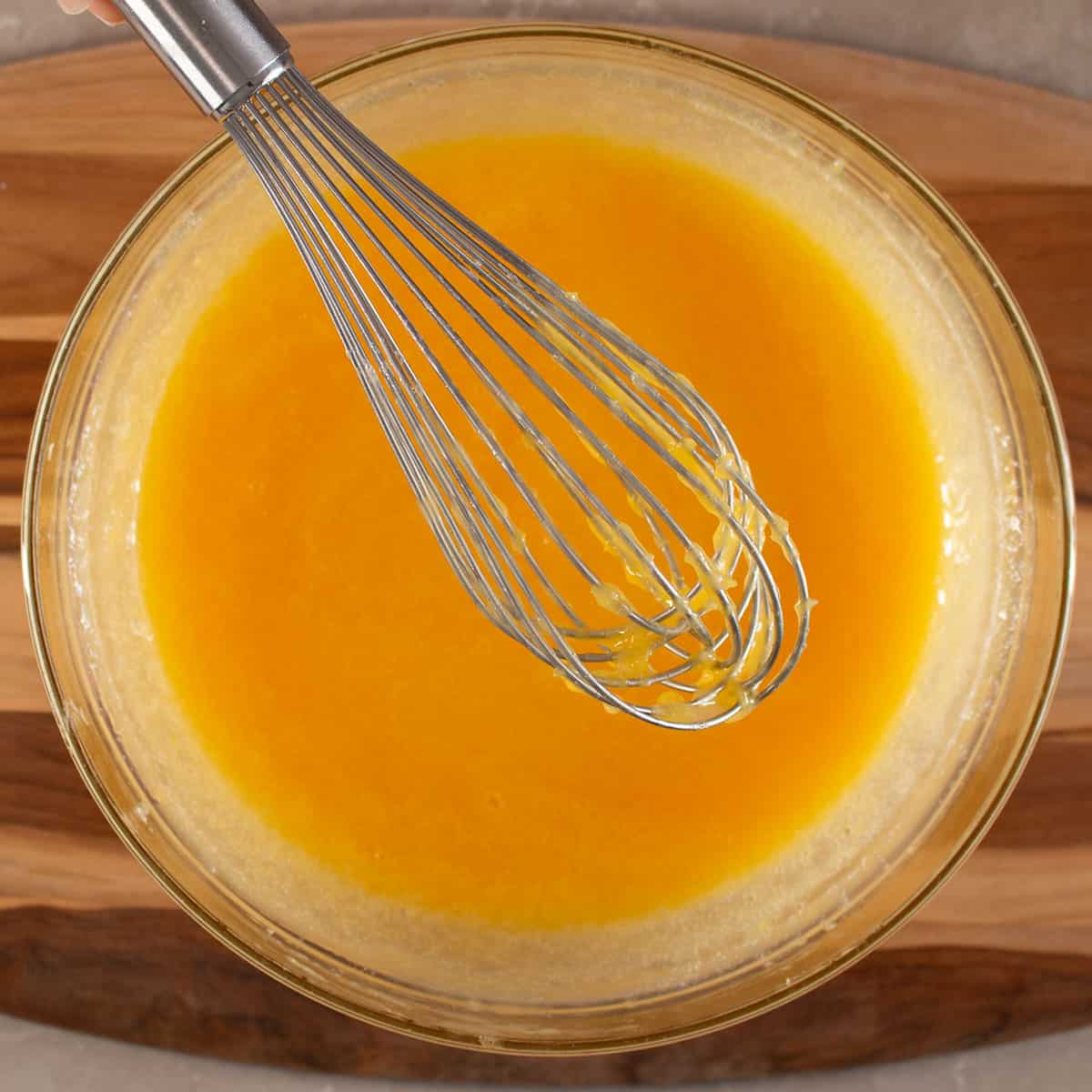
Step 4: Continue to stir until mixture thickens. Remove from the heat and let the mixture cool for 5 minutes (stirring occasionally while cooling) before pouring in to a blender.
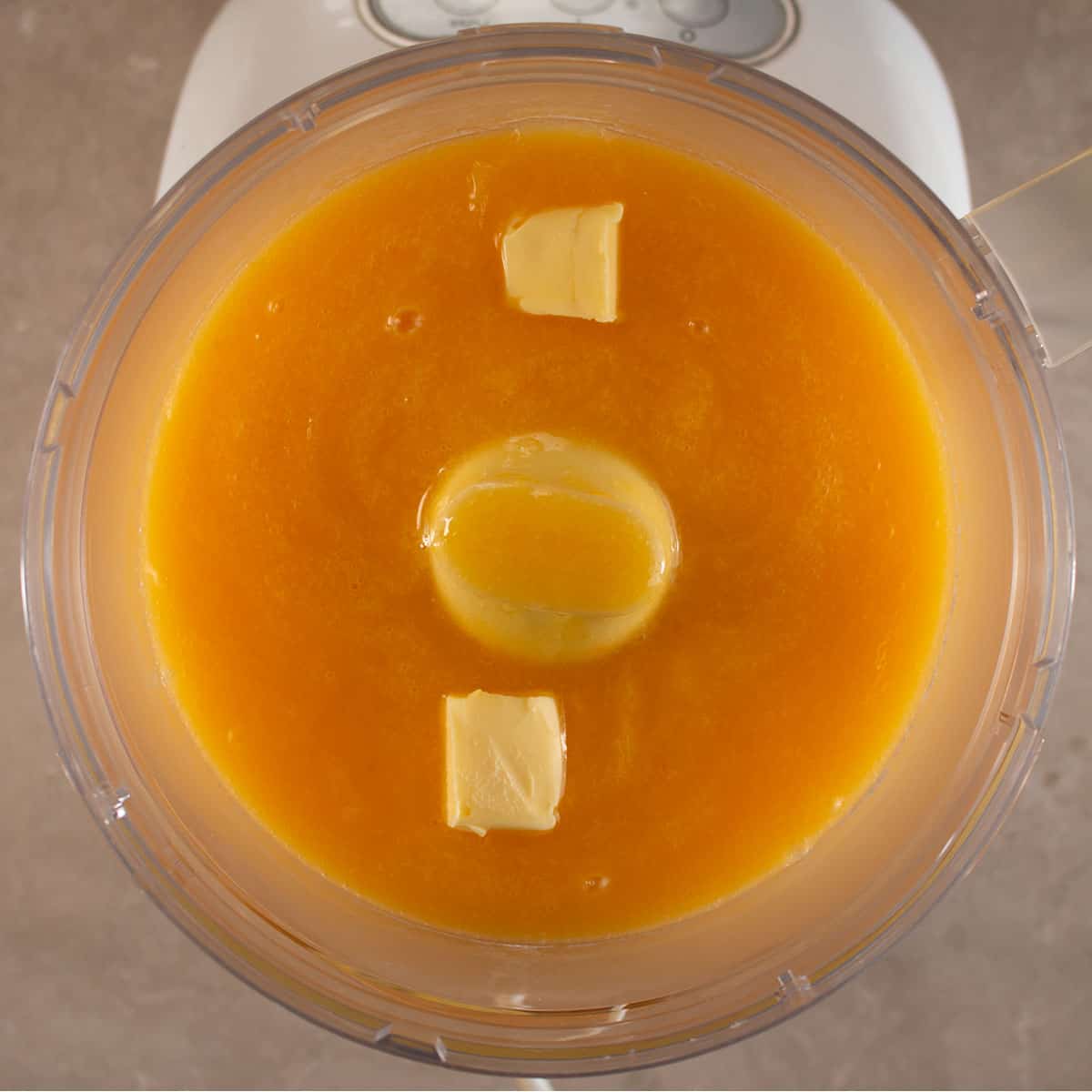
Step 5: With the motor on low add the butter a couple of cubes at a time until combined
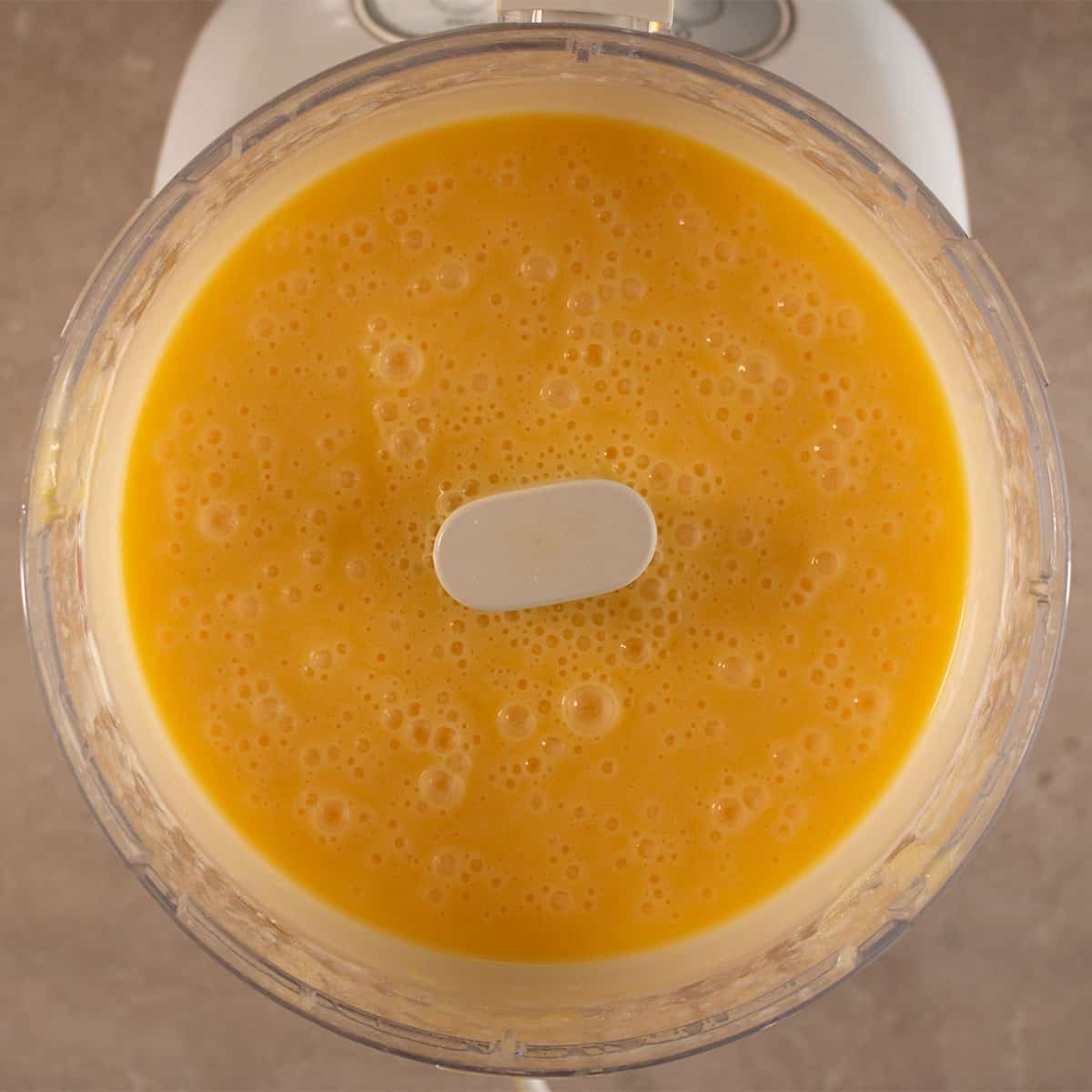
Step 6: Keep mixing until completely emulsified
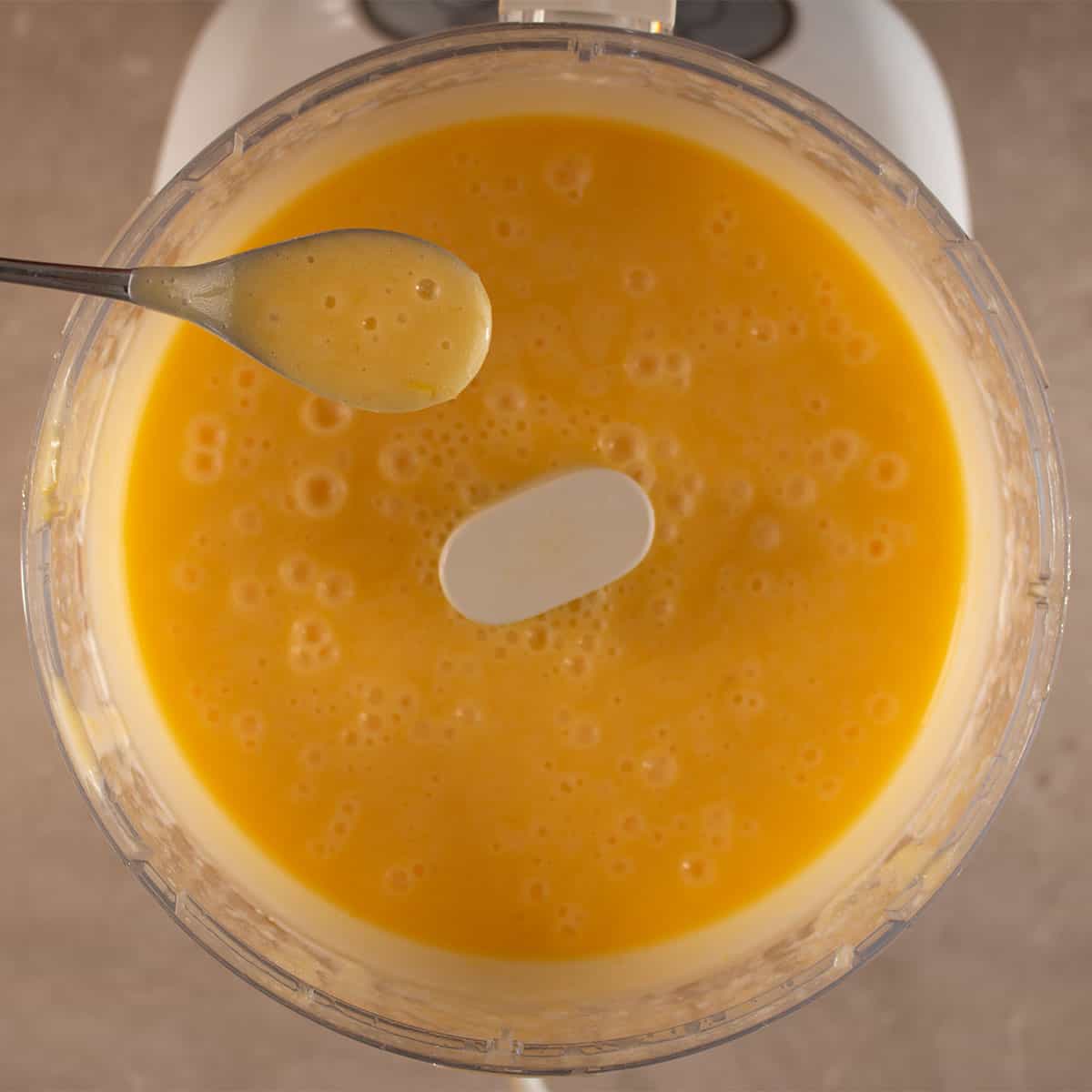
Step 7: Let cool for 5 to 10 minutes
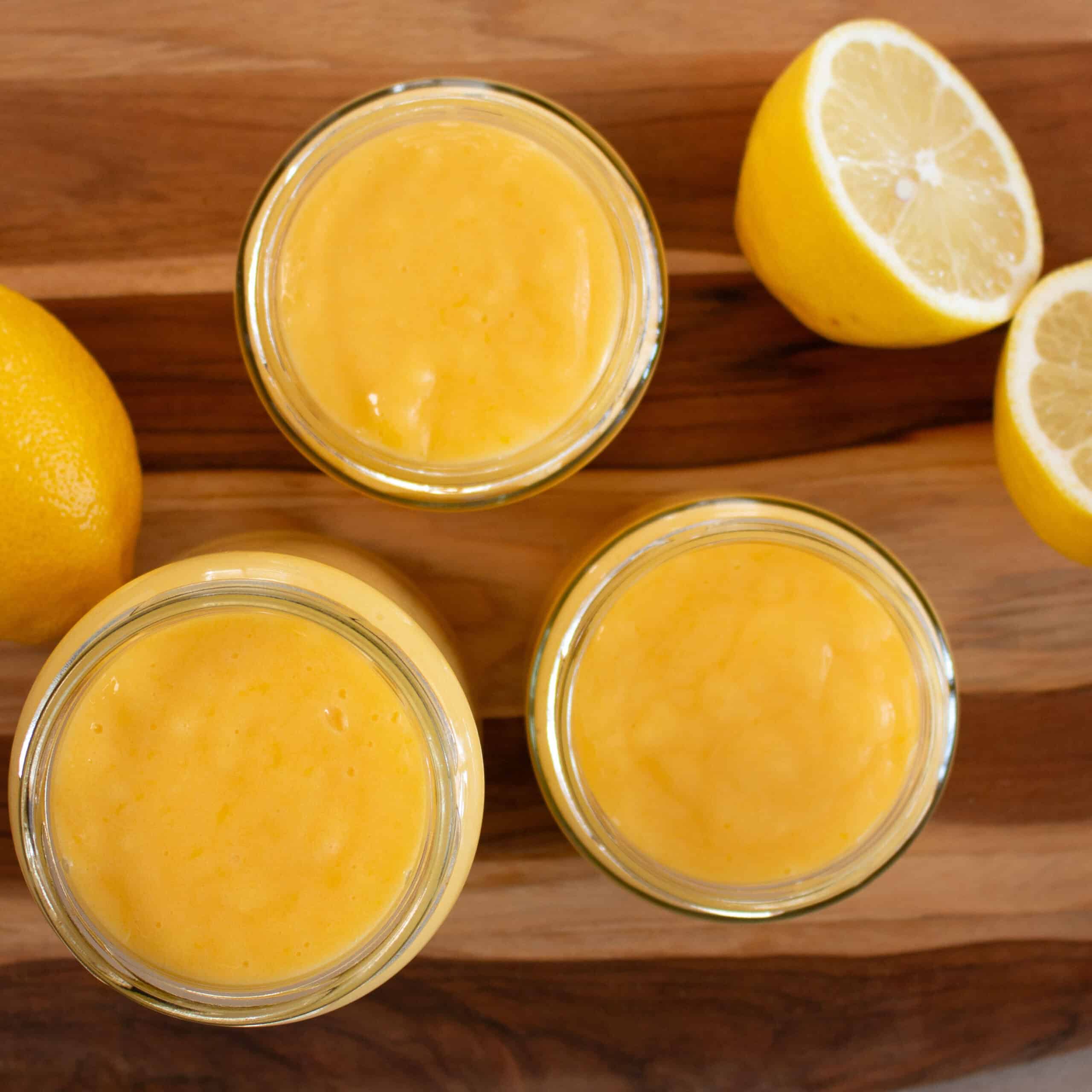
Step 8: Fill lemon curd in to steralised jars while still warm
Variations
You can mix it up to make it unique!
- Limes – For a sharper, slightly more bitter curd. Works beautifully in the same quantity.
- Oranges – Sweeter and milder; reduce the sugar slightly to balance the flavour.
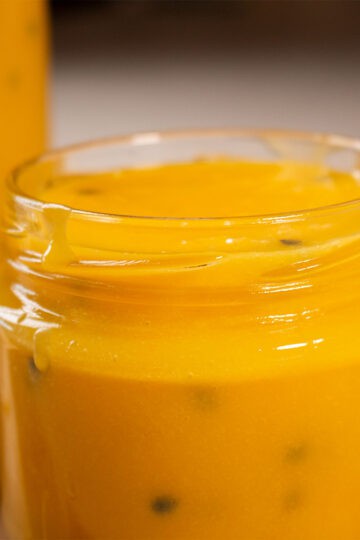
- Passionfruit – this is my favourite alternative curd.
- Citrus Blend Curd
Use a mix of citrus juices like lemon, orange, and lime for a more complex, rounded flavour.
Equipment
It depends which method you choose to make this recipe as to the equipment you will need. All methods require a large heatproof bowl, whisk, juicer and a zester or grater. You may also need a saucepan and a blender. You will need 4-5 sterilised jars to fill the curd in once made.
Storage
Store the lemon curd in an airtight jar or container in the refrigerator. It will keep well for up to 1-2 weeks. For longer storage, it can be frozen for up to 2 months, just thaw it in the fridge overnight before using. Always use a clean spoon to avoid contamination and extend freshness.
FAQ
Lumps usually happen when the eggs cook too quickly. Make sure to stir constantly over gentle heat.
Fresh lemon juice is highly recommended for the best flavour. Bottled juice can taste flat or overly acidic, and it lacks the natural oils from fresh zest.
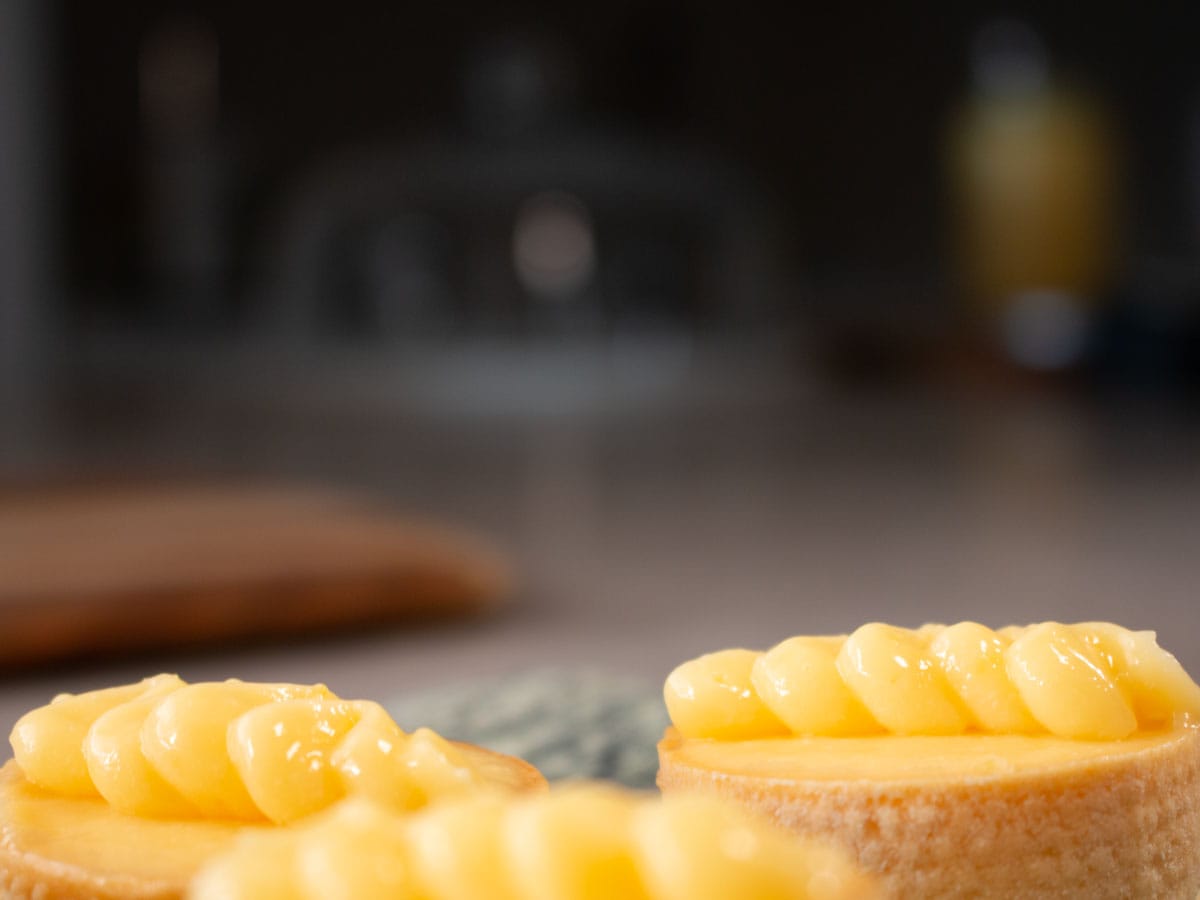
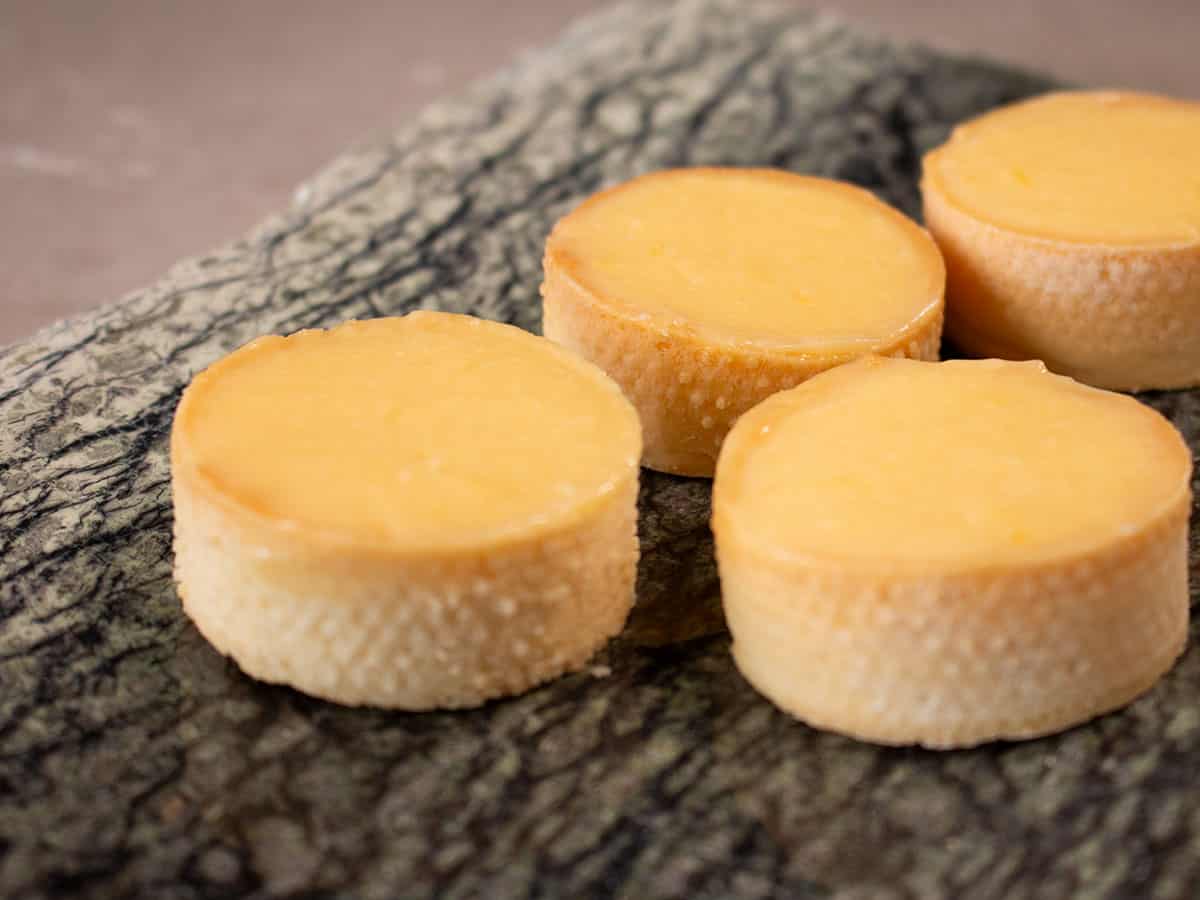
It’s delicious on as a filling for cakes, tarts, and macarons. Try it on toast, pancakes or mix a little in to some labne to top your french toast!

Share your family’s treasured recipe and the story that comes with it, so we can preserve these beautiful MEMORIES together.
Ingredients
Instructions
- Whisk the eggs and sugar & salt together in a heatproof bowl until combined.
- Add fresh lemon juice and lemon zest, then whisk to combine thoroughly.
- Add 3-4 cm of water to a saucepan and bring it to a gentle simmer. Place the heatproof bowl over the pan to create a double boiler, ensuring the bottom of the bowl does not touch the water.
- Alternatively, pour the lemon mixture directly into a saucepan and cook it over low heat (without adding water).
- Cook the mixture, stirring constantly, until it thickens to a custard like consistency.
- Once thickened remove from heat and let cool for 5 minutes, stirring occasionally
- Pour the thickened lemon mixture in to a blender.
- With the speed on low add the room temperature butter a couple of cubes at a time
- Continue blending until the butter is fully incorporated and the mixture is silky smooth.
- Fill in to steralised jars while still warm and store in the fridge once filled
Nutrition
Notes
- There are many ways to make lemon curd, the above direct saucepan method is my favourite. All of them work, you’ll just produce slightly different results depending on the approach you choose. If you cook the curd directly in a saucepan rather than over a double boiler, be sure to stir continuously and remove it from the heat as soon as it thickens. The double boiler method takes a little longer, while stirring regularly is still important, you don’t need to do so quite as constantly. Just keep it moving enough to ensure even heating and to prevent lumps.
- The original recipe calls for the juice of six lemons and rind of three. I always choose medium to large lemons and until writing this recipe, had never measured the exact quantities of juice or zest. The amounts listed here will work perfectly but if you stick with the juice of six lemons and the zest of three you will end up with a beautifully balanced curd.
Leave a Reply